
Fernweh & Wanderlust: The Beautiful Ache to Explore the World
What You’ll Discover in This Blog
Sometimes the desire to travel feels deeper than simply wanting a vacation. It feels emotional, personal, and almost impossible to ignore. In this blog, we’ll explore two beautiful German words — Fernweh and Wanderlust — and why they resonate so strongly with travelers.
You’ll discover:
- The meaning behind the German words Fernweh and Wanderlust
- How ancestry and identity can influence our desire to travel
- The emotional connection between travel and self-discovery
- Why some people feel called toward distant places and cultures
- How travel helps us connect with both the world and ourselves
Fernweh & Wanderlust: The Beautiful Ache to Explore the World
I’ve always known that much of my ancestry came from Germany. Family stories, traditions, and heritage hinted at it for years. But recently, I decided to take a DNA test to learn more about where my roots truly began.
The results surprised me.
While German ancestry still made up a significant portion — about half — the rest revealed a broad blend of European regions and cultures. Suddenly, my family history felt bigger, more layered, and somehow more connected to the world itself.
As I looked deeper into those roots and regions, I found myself thinking about two German words that perfectly capture something I’ve felt for years: Fernweh and Wanderlust.
They aren’t just travel words. They describe something emotional — something many travelers feel but struggle to explain.
What Does Fernweh Mean?
The German word Fernweh roughly translates to “far sickness” or a longing for distant places.
It’s often described as the opposite of homesickness.
Instead of yearning for home, Fernweh is the ache to go somewhere else — somewhere unknown, far away, and full of possibility. It’s the feeling that your soul is being pulled toward a place you may have never even seen before.
Fernweh is not necessarily about escape.
It’s about curiosity.
Connection.
Discovery.
It’s the quiet feeling that there’s more of the world waiting for you.
How Wanderlust Differs from Fernweh
Most travelers are familiar with the word Wanderlust, another German word that has found its way into travel culture around the world.
Wanderlust literally means “a desire to wander.”
It’s energetic and adventurous — the excitement of movement, exploration, and new experiences. Wanderlust is what inspires spontaneous road trips, passport stamps, hiking trails, and flight searches late at night.
But Fernweh feels slightly different.
If Wanderlust is the excitement of travel, Fernweh is the emotional pull behind it.
Wanderlust says:
“I want to go.”
Fernweh says:
“I feel called to go.”
One is adventure.
The other is longing.
And many travelers carry both at the same time.
How Ancestry Can Stir the Desire to Explore
After receiving my DNA results, I found myself looking differently at maps, cultures, and even certain destinations I’ve always felt drawn toward.
Places I had never visited suddenly felt familiar.
That experience made me realize how often travel is tied to identity. Sometimes we travel because we want adventure. Other times, we travel because we are searching for connection — to our heritage, to our history, or even to parts of ourselves we haven’t fully discovered yet.
You don’t have to visit the exact villages your ancestors came from to feel that connection. Sometimes simply walking through a region, hearing a language, tasting local food, or understanding cultural traditions creates a powerful sense of belonging.
Travel has a way of making the world feel both bigger and smaller at the same time.
Why Some People Feel Called to the World
Not everyone experiences Fernweh in the same way. For some, it’s a quiet curiosity. For others, it feels almost restless — a deep need to explore beyond what is familiar.
I think many travelers understand this instinctively.
It’s why some people feel alive standing in an airport.
Why certain landscapes stir emotion unexpectedly.
Why meeting people from different cultures feels energizing rather than intimidating.
Travel reminds us that the world is filled with stories, perspectives, and experiences beyond our own routines.
And once you experience that feeling, it’s hard to ignore it.
Travel as Self-Discovery
The older I get, the more I realize that travel is rarely just about the destination.
Yes, we go for the scenery, the food, the adventure, and the culture. But often, what we’re really searching for is perspective.
Travel challenges us.
It humbles us.
It reconnects us with curiosity and wonder.
Whether it’s hiking through Iceland, wandering the streets of Greece, or tracing ancestral roots across Europe, every journey leaves something behind — and gives something back.
That may be the truest meaning of both Fernweh and Wanderlust.
Not simply the desire to see the world, but the desire to understand our place within it.
The Journey Continues
Learning more about my ancestry didn’t answer every question — but it deepened my appreciation for the world and the many places that shape who we are.
Maybe that’s why words like Fernweh and Wanderlust resonate so deeply with travelers. They remind us that sometimes the longing to explore isn’t random at all.
Sometimes it’s part of who we are.
And sometimes the places calling to us from far away are helping us find our way home to ourselves.

Keep Exploring
Discover travel insights, tips, and inspiration to help you plan your next unforgettable journey .


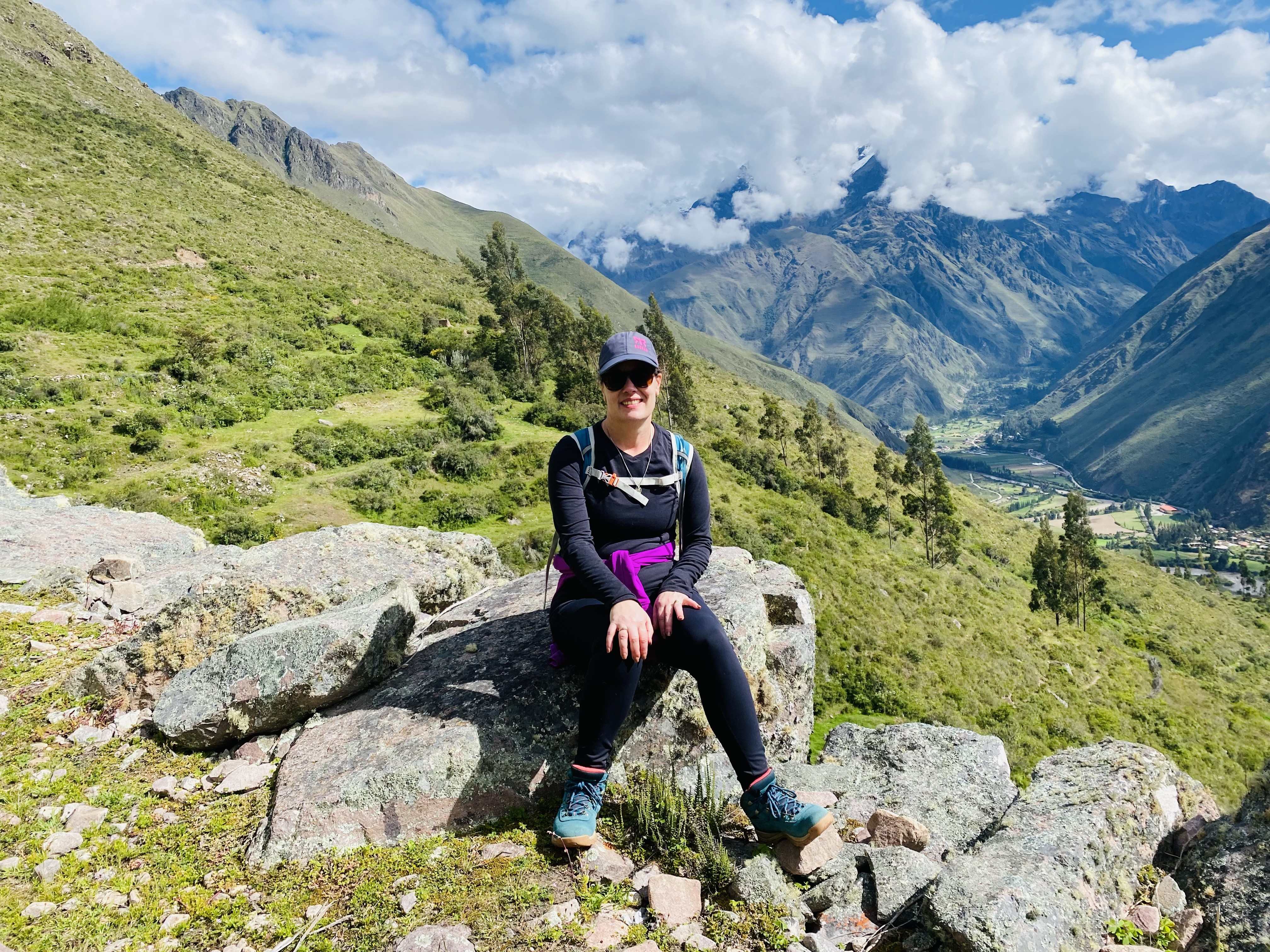

Creating memories and experiences through travel


